|
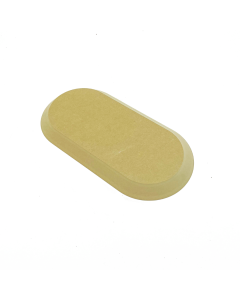
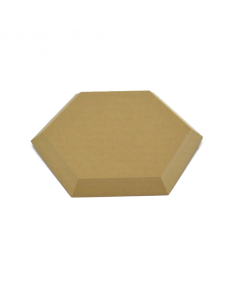
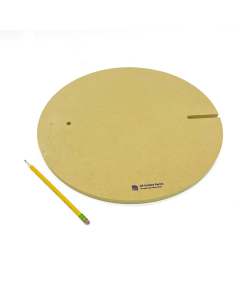
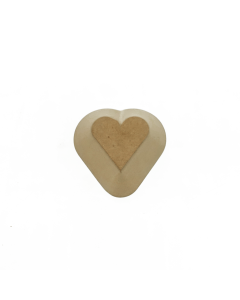
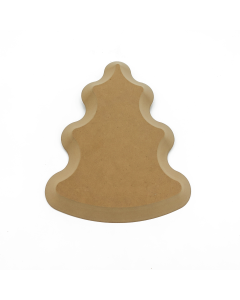
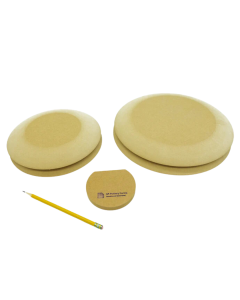
Plaster Bats offer a
definite advantage over other bats... they absorb moisture from the
base of the clay form. As a result, pots dry evenly and release
easily without the need for cutting free with a wire.
The Quick Release Plaster Bat
Mold System allows you to make your own plaster bats easily and
economically. With these unique molds you can make both flat and domed
plaster bats, each keyed for instant, secure and perfectly centered
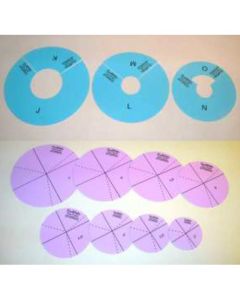
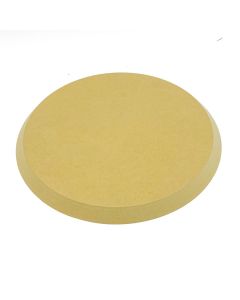
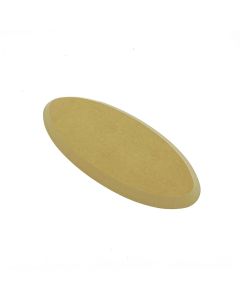
wheelhead mounting. To make a bat, choose the bat form you desire (A-H)
and the Two-Part Quick Release Set (I).
(If you are using an 18” form (D, E or H),
Adapter J will also be required).

Mix plaster according to the formulas
given in the Quick Release instructions and pour it into your form (Fig.
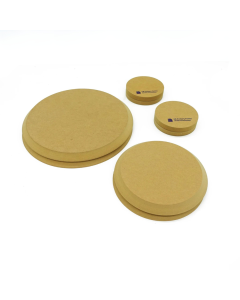
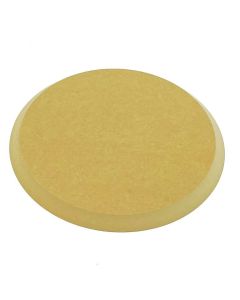
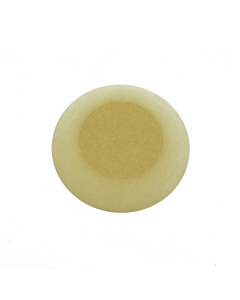
1). Immediately seat the larger Quick Release disk into the back of the
mold to create the concave triangular “key” in the back of the bat (Fig.
2). The smaller Quick Release disk is attached to your wheelhead with
your bat pins. The resulting bat simply drops onto this disk for a secure
centered bat (Fig. 3).
Use the flat bats to
throw any form. The domed bats provide a smart, time-saving
way to throw bowls, lids and plates complete in one
sitting! Plates and bowls are actually thrown upside-down (Fig. 4)
while lids are thrown right-side up (Fig. 5). The foot ring or lid
knob is formed at the same time: trimming is eliminated, cutting your
work time in half! Finally, a cost-effective and hassle-free
way to create dinnerware. In addition, bats can be customized with incised
or embossed designs to produce perfectly matched sets quickly and easily (Fig.
6).
|
|
|
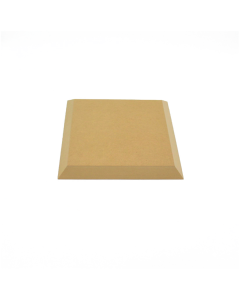
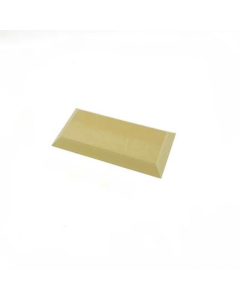
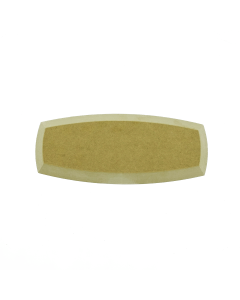
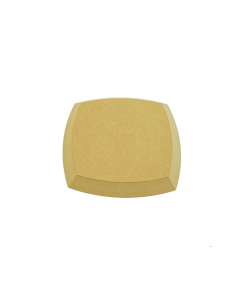
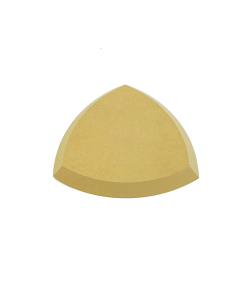
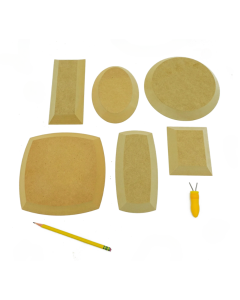
SlumpHump molds are durable reversible
plastic forms that let you to pour both hump and slump
molds quickly and easily.
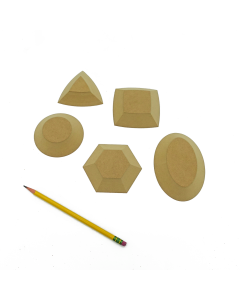
Available in 7 popular shapes
and a variety of sizes, each plastic form features tapered walls
which allow you to vary the depth of your mold simply by adding more or less
plaster. To make a mold, mix plaster according to the formulas given in the
SlumpHump Mold instructions and pour it into your plastic form. Each form
will create both a slump and a hump mold of its shape
depending on which side of the form you fill.
Customize
your plaster molds: • Use less
plaster to create a shallow version of a mold. •
Block out areas in the plastic form (corners, edges, etc.) before pouring
the plaster to alter the perimeter shape. •
Lay a slab into the plastic form and impress designs or textures in it:
these will cast into your plaster mold and transfer to your slabs when you
form them.


The
possibilities are endless!
|

Durable Plastic Form |

Slump Mold |

Plastic Form Inverted |

Hump Mold |
|
| Allow
the plaster to set, remove from the form and dry completely before
using it with your slabs. Follow the guidelines below to develop
basic forms: |
|

1. Cut a Slab of the correct size & shape (a template may be
helpful)
|

2. Position the slab in or over the mold.
|

3. Define the shape with a rubber rib.
|
|

4. Finish the rim
using rib or bevel tool.
|

5. Add handles,
feet or accessories.
|
|